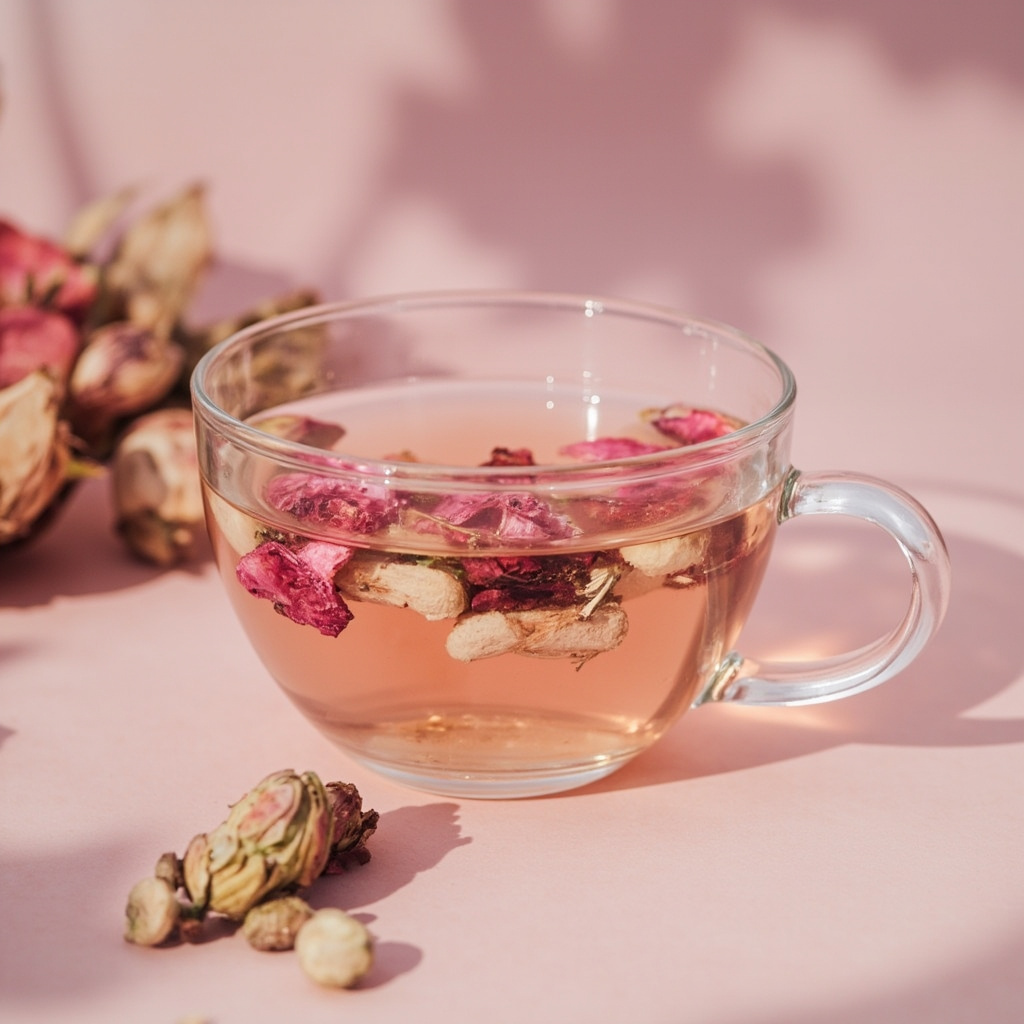
Roses are not native to China — they came from Persia along the Silk Road, sometime during the Tang dynasty. But the Chinese took to them with an enthusiasm that transformed the flower from an ornamental import into a cornerstone of wellness and beauty. Today, rose tea is drunk by millions of Chinese women not just for its delicate fragrance, but for what they believe it does: warm the body, calm the mind, and bring a glow to the skin.
A Flower That Traveled the Silk Road
The rose (玫瑰, méiguī) arrived in China during the Tang dynasty (618–907), a period of extraordinary openness to foreign goods, ideas, and plants. Persian merchants brought rose water and dried rose buds, prized in Middle Eastern medicine and cuisine. Chinese herbalists quickly incorporated them into their own pharmacopoeia.
By the Ming dynasty, roses were being cultivated at scale in China. The Bencao Gangmu (Compendium of Materia Medica) by Li Shizhen recorded that rose "moves the blood, regulates qi, and brightens the complexion." In traditional Chinese medicine, roses are classified as warming and sweet, associated with the liver and heart meridians — which is why they're so often prescribed for stress-related skin issues.
"Rose — sweet and slightly bitter, warming in nature. It moves liver qi, harmonizes the blood, and brings luster to the face."— Li Shizhen, Bencao Gangmu, 1578"玫瑰花,味甘微苦,性温。行气解郁,和血,润泽面容。" — 李时珍《本草纲目》
What Modern Research Says
Rose petals are rich in polyphenols, flavonoids, and vitamin C — compounds with known antioxidant and anti-inflammatory properties. Studies suggest rose extract may help reduce oxidative stress in skin cells, and the fragrance alone has been shown to lower cortisol levels. The calming effect is real, not placebo: the scent of roses activates the parasympathetic nervous system, which is why rose tea before bed is genuinely effective.
How to Brew the Perfect Cup
Rose tea is forgiving. Use 3–5 dried rose buds per cup, pour water at 85–90°C (185–194°F), and steep for 3–5 minutes. The buds will slowly unfurl, releasing their fragrance into the water. The liquor is pale golden, almost colorless, with a delicate sweetness that needs no sugar.
Classic blends:
Rose + Goji — the ultimate beauty tea, red berries and pink buds in a glass teapot, as pretty as it is nourishing.
Rose + Longan + Red Dates — a deeply warming, sweet winter blend for cold days and tired spirits.
Rose + White Tea — the lightest, most elegant pairing; let the white tea's subtlety dance with the rose's perfume.
Choosing Good Rose Buds
Good dried rose buds should be whole, with the calyx (the green base) still attached. The color should be a deep pink-purple, not brown. When you open the jar, the fragrance should be unmistakable — floral but not perfumey, natural rather than cloying. Pink roses (French rose, Damask rose) are preferred over red; they're less astringent. The best Chinese rose buds come from Yunnan and Gansu provinces.
"In a culture that treats food as medicine, the rose occupies a special place. It doesn't cure anything. It just makes you feel beautiful — and sometimes, that's exactly what you need."